
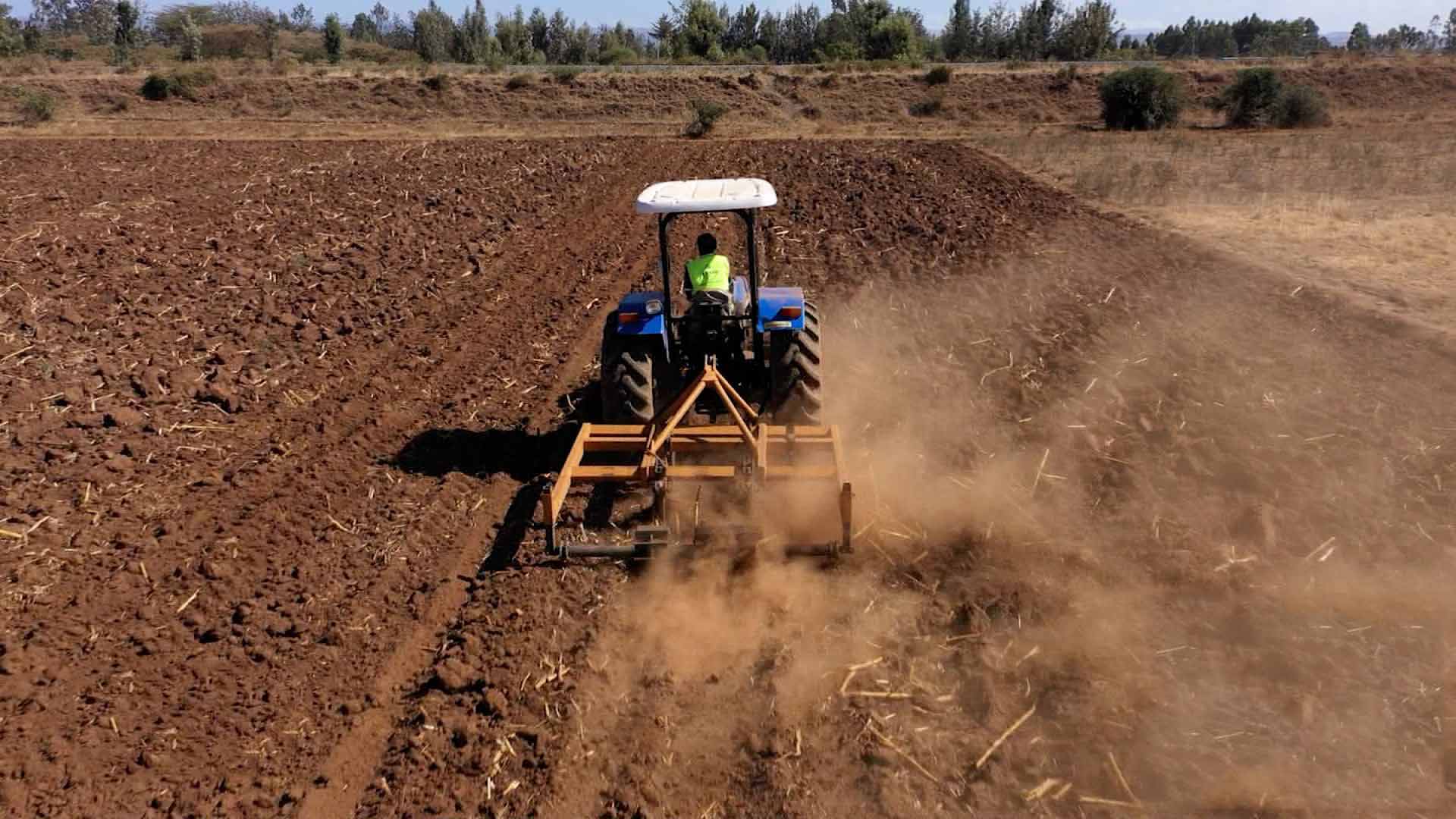
Agriculture is the backbone of Malawi’s economy, providing livelihoods for most citizens and significantly contributing to GDP. The move from traditional methods to modern, mechanized farming is helping farmers increase yields and adapt to today’s challenges. Below are the top farm equipment driving this change and their essential uses in Malawian agriculture.
Tractors
Tractors are fundamental to modern farming in Malawi. While some smallholders still rely on animal traction, tractors are increasingly used, especially on medium and large farms.
Uses: Tractors deliver power for heavy tasks. They’re used for ploughing, transporting produce, and operating machinery like threshers. Their ability to prepare large fields quickly shortens the land preparation season and boosts overall efficiency.
Disc Ploughs and Harrows
Disc ploughs and harrows are the key implements attached to tractors for soil preparation.
Uses: Disc ploughs turn and break up the soil, allowing for easier planting and improved soil health by burying crop residues. Harrowing follows ploughing, further breaking down soil clumps to create a fine seedbed—critical for good germination and uniform crop emergence.
Seeders and Planters
Modern farming requires accurate seed placement, and that’s where seeders and planters come in.
Uses: These machines plant seeds at consistent depths and spacing, improving germination rates and maximizing field productivity. For staple crops such as maize and groundnuts, pneumatic planters ensure each seedling has enough space and resources, reducing waste and boosting yields.
Irrigation Systems
Unpredictable rainfall in Malawi has increased the reliance on irrigation for sustainable farming.
Uses: Different irrigation systems serve Malawi’s diverse farmers. Smallholders often use simple treadle pumps, while larger farms invest in advanced solutions like centre-pivot or drip irrigation. Drip systems efficiently deliver water to plant roots, reducing waste—a vital advantage during dry spells.
Combine Harvesters
Manual harvesting is common but labor-intensive and slow. Combine harvesters are becoming more available, especially for commercial farming.
Uses: Combines perform reaping, threshing, and winnowing in one pass. This drastically reduces harvest time and post-harvest losses from pests or poor handling, ensuring crops like maize, wheat, and soya beans can reach markets in prime condition.
Modern farm equipment is reshaping Malawi’s agricultural sector. The adoption of tractors, effective tillage tools, precise planters, and improved irrigation supports higher productivity and farm sustainability. These advancements position Malawi’s farmers to better withstand climate uncertainties and meet food production needs. As mechanization spreads, the future of farming in Malawi promises to be more efficient and resilient.
